
The first time I dropped into Minecraft Dungeons with three friends in 2026, I thought we were about to breeze through a cute blocky dungeon crawl. Ten minutes later, I was respawning, our archer was cornered by creepers, and someone had thrown TNT into the middle of our group. That run taught me a lesson I still repeat to every new party: Minecraft Dungeons is not solo play with extra bodies. It is a co-op game that rewards coordination, communication, and a little humility. Here is what I wish I had known before that first chaotic run.
1. Stick Together, Even When the Loot Tempts You
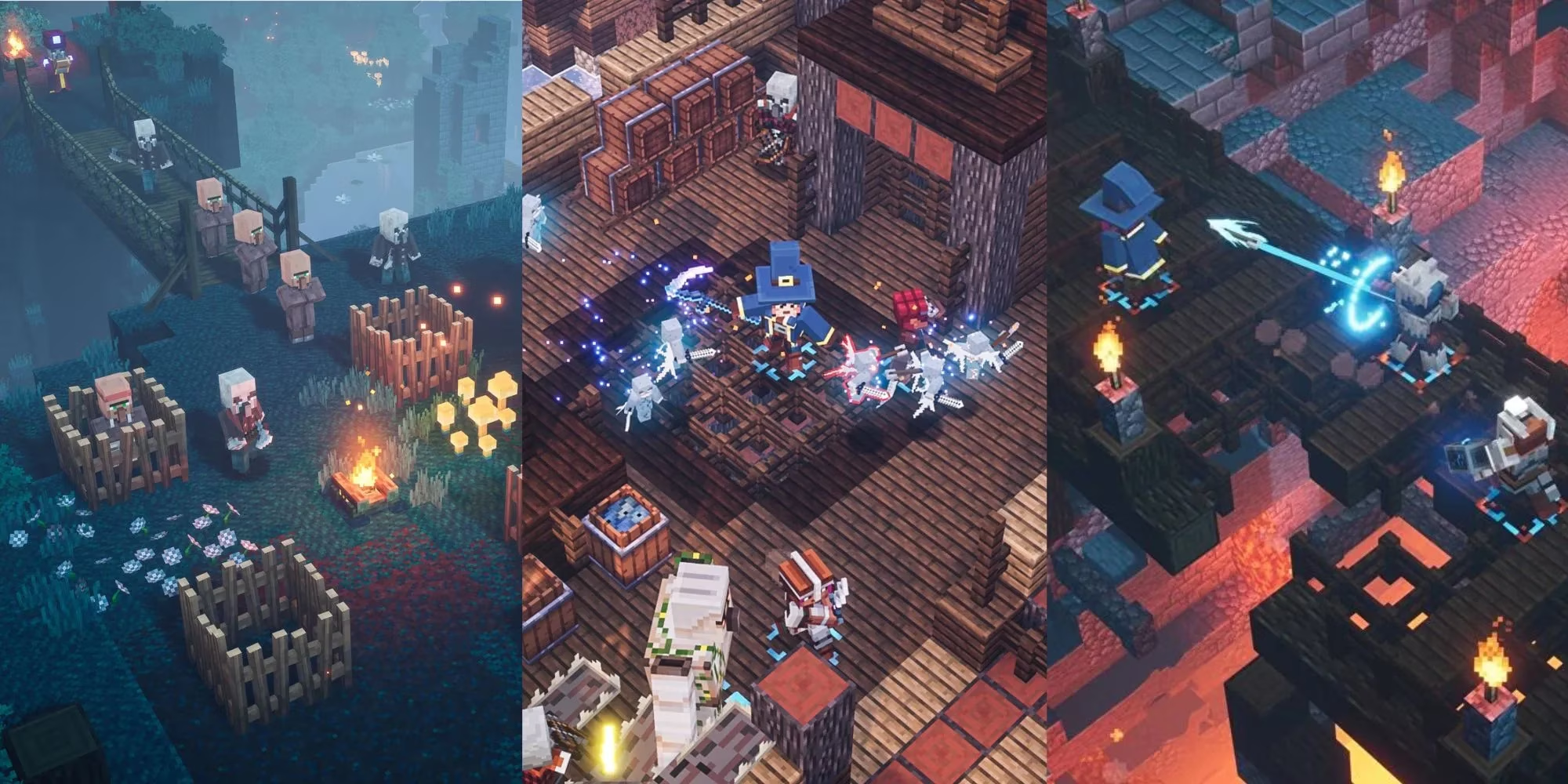
I know the urge. A chest glows in a side room, a friend spots a different path, and suddenly the party is spread across half the map. Then the mobs arrive. Minecraft Dungeons can throw deceptively difficult swarms at you, especially on higher difficulties, and a skilled team can still get picked off one by one when everyone is doing their own thing. Is it really co-op if everyone is fighting in a different room? Staying close lets you cover each other, revive fallen teammates, and turn a creeper ambush into a funny story instead of a wipe.
2. Bring Varied Equipment
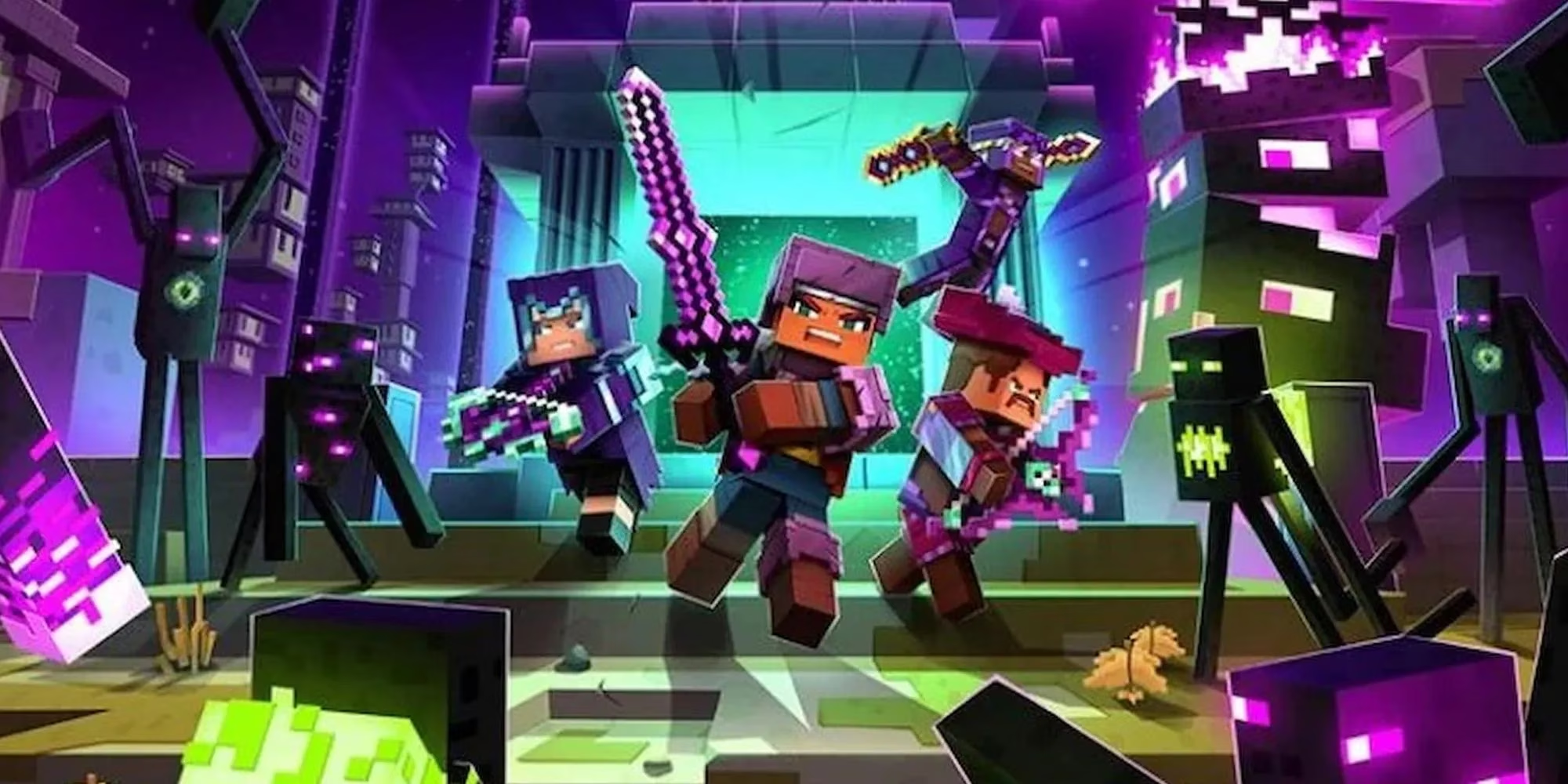
My group learned this the hard way after three of us showed up with similar slow weapons and no reliable ranged option. Variety matters. One player with a sword and another with an axe can cover different attack rhythms, while a bow user can thin out enemies before they close in. The goal is not to copy the same build four times. It is to be ready for whatever the dungeon throws at you, whether that is a tight corridor, a swarm, or a boss with an annoying habit of summoning help.
3. Give Each Player a Role
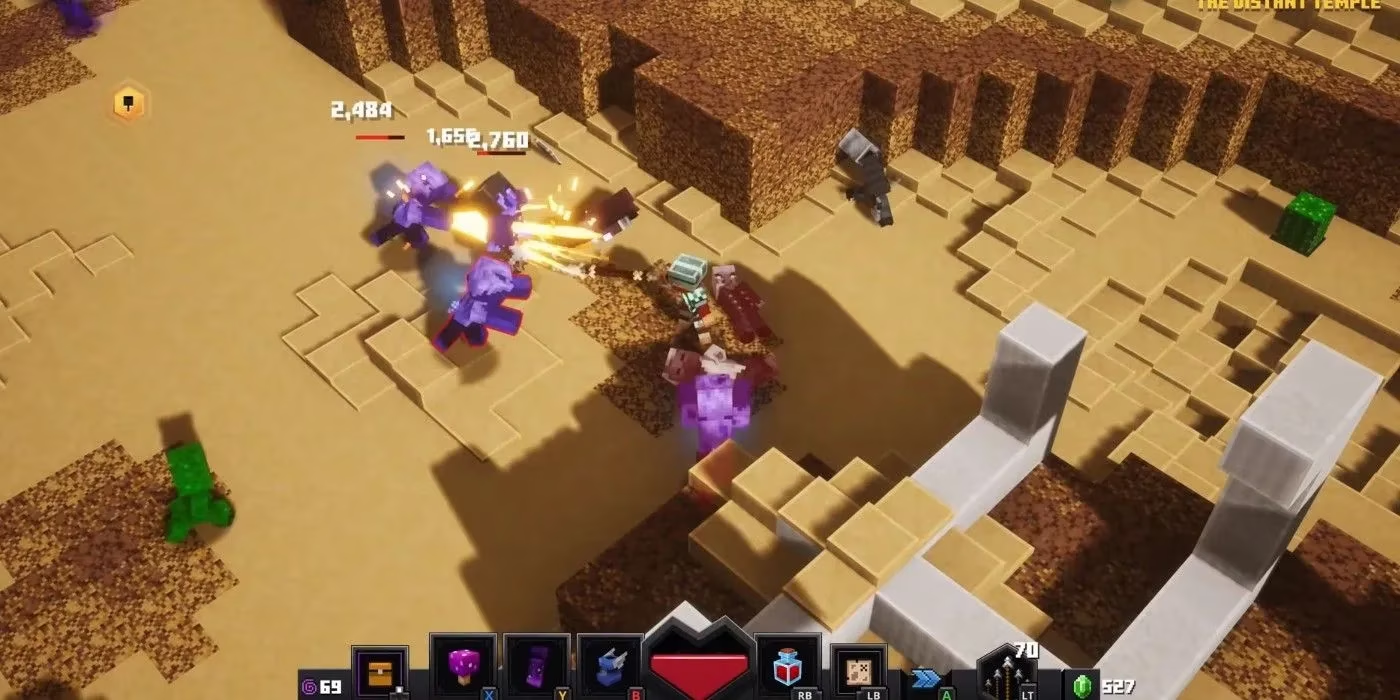
This goes hand in hand with varied equipment. Once my friends and I started talking about roles, our runs became smoother and more fun. Minecraft Dungeons is not as complex as some dungeon crawlers, but it has enough customization for everyone to feel useful.
| Role | Gear focus | Main job |
|---|---|---|
| Archer | Bows and ranged boosts | Soften packs before they reach the party |
| Bruiser | Axes or heavy weapons | Deal damage and hold the front line |
| Skirmisher | Fast weapons and mobility | Chase down threats and plug gaps |
| Support | Healing, revives, utility | Keep the team alive and call out danger |
When everyone knows their job, the chaos becomes manageable. What is the point of roles if nobody actually plays them? Exactly.
4. Know Your Strengths and Weaknesses
Every player and every piece of gear has limits. I once watched a friend with a pickaxe charge a group of creepers alone because he was sure he could handle it. He could not. Knowing what your friends are good at is key, and knowing what each weapon excels at is just as important. A fast fighter should not be the one soaking up boss hits, and a heavy hitter should not be the only person watching the rear. Small awareness checks prevent big disasters.
5. Watch Those Explosives
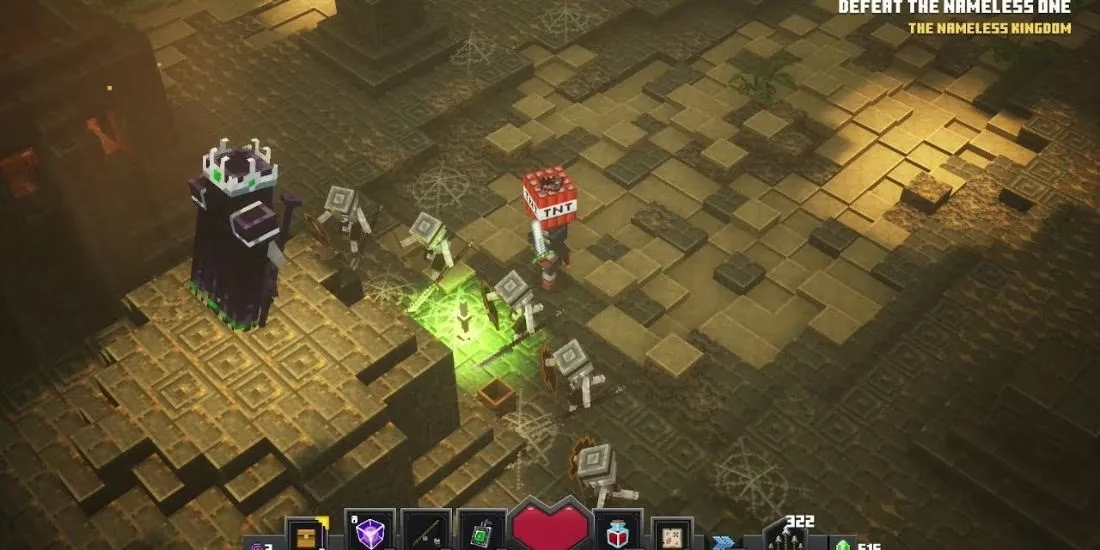
TNT deserves its own warning. It is hard to damage teammates in Minecraft Dungeons until someone picks up a block of TNT and throws it into a crowded room. The highlighted radius is generous, and everything inside it takes massive damage. A poor throw, or simply not knowing about friendly fire, can wipe the party in seconds. Did I mention the TNT? Yes, I did, because my group still brings it up. Make sure everyone knows who has it and when it is about to fly.
6. Share Pick-Ups
Food and potions can decide a fight. Before entering a big room, my group now checks who needs what. If a strength potion is sitting on the ground and our main damage dealer is about to open the door, that potion belongs to them. If someone is low on health after a fight, point them toward fallen food instead of silently grabbing it. Sharing is not just polite; it is tactical.
7. Communicate Like Your Run Depends on It
It does. A simple callout can prevent a problem completely. Tell your team what gear you are using, warn them about enemy drops, and announce when you are about to throw TNT. My friends and I use short, loud callouts: healer down, creeper left, boss phase, regroup. It feels silly at first, but it works. Silence is how a party ends up scattered, confused, and out of lives.
8. Practice Missions
Practicing missions sounds strange, but it helps. On tougher difficulties, I like to bump down the threat slider and learn the layout of a world, the enemy spawn points, and the nasty surprises waiting around corners. There is no shame in restarting, either. Every failed run teaches you something, so an unsuccessful attempt becomes a practice run whether you planned it or not.
9. Strategize Before You Dive In
You can absolutely rush through Minecraft Dungeons with friends and have a blast. I have done it. But a few moments of planning can turn a messy run into a satisfying one. Before a big push, ask who is opening, who is covering the rear, and who is saving a healing item. A little unison makes victory much easier to reach.
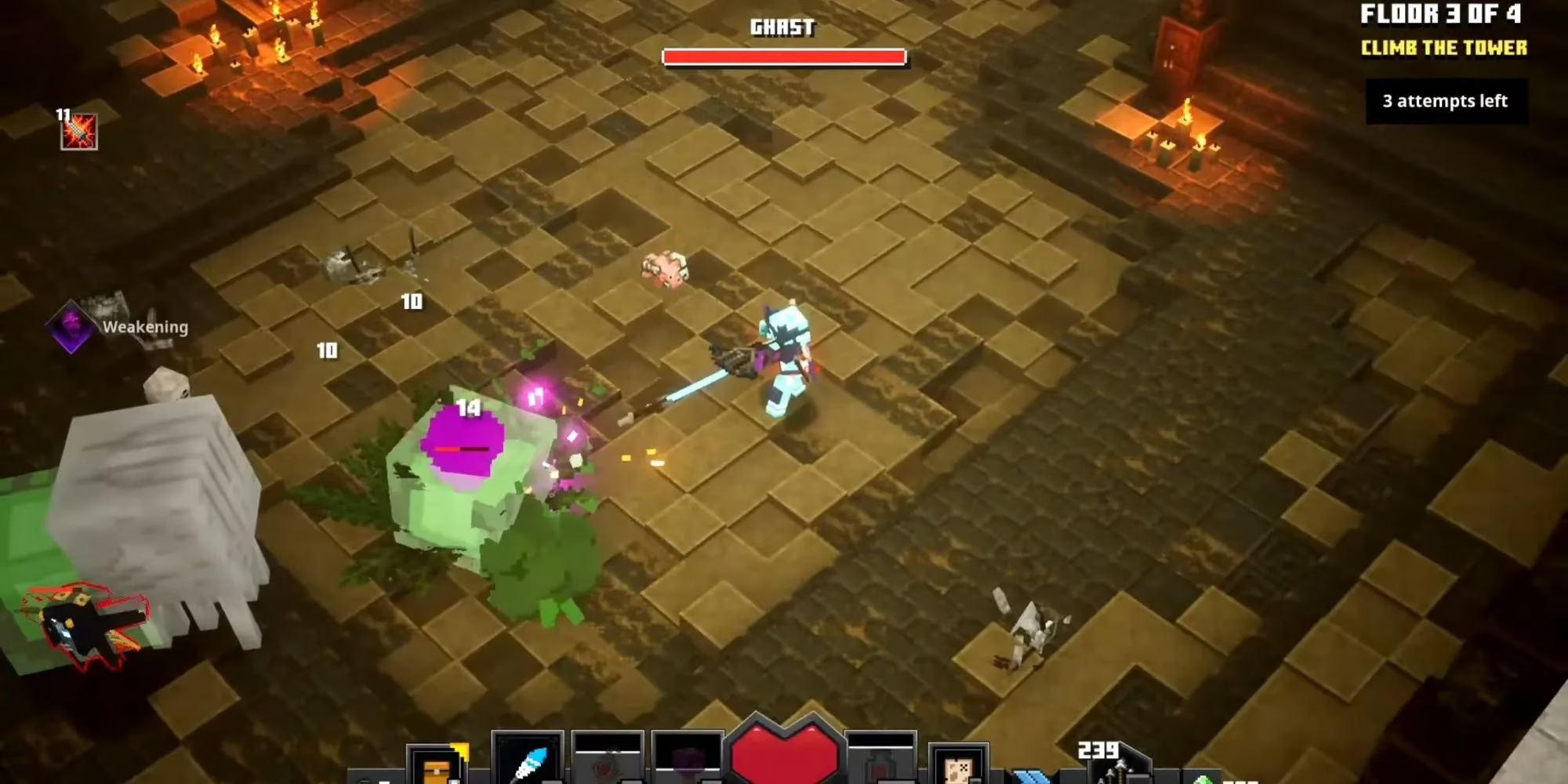
10. Know Your Goal
Are we here for loot, speed, training, or a clean clear? A lot of groups ignore this question and then get frustrated when everyone wants something different. In 2026, my friends and I always agree on the goal before we load in. If we are farming gear, we check side rooms. If we are speed-running, we skip distractions. If we are training, we take risks and learn from them. Knowing why you are playing keeps the party streamlined and happy.
Minecraft Dungeons still shines as a co-op game because it turns small decisions into shared stories. Stick together, build roles, share supplies, and talk to each other. The dungeons are full of creepers, TNT, and surprises, but with the right party, that chaos is the best part.