
The first night in Minecraft has a way of humbling you. I still remember my first world: a square sun, a punchable tree, and a quiet panic as the sky turned orange. In 2026, after countless updates, that feeling hasn’t changed. Biomes are not just scenery—they are little hosts with personalities, deciding whether your first base becomes a cozy cottage or a cautionary tale.
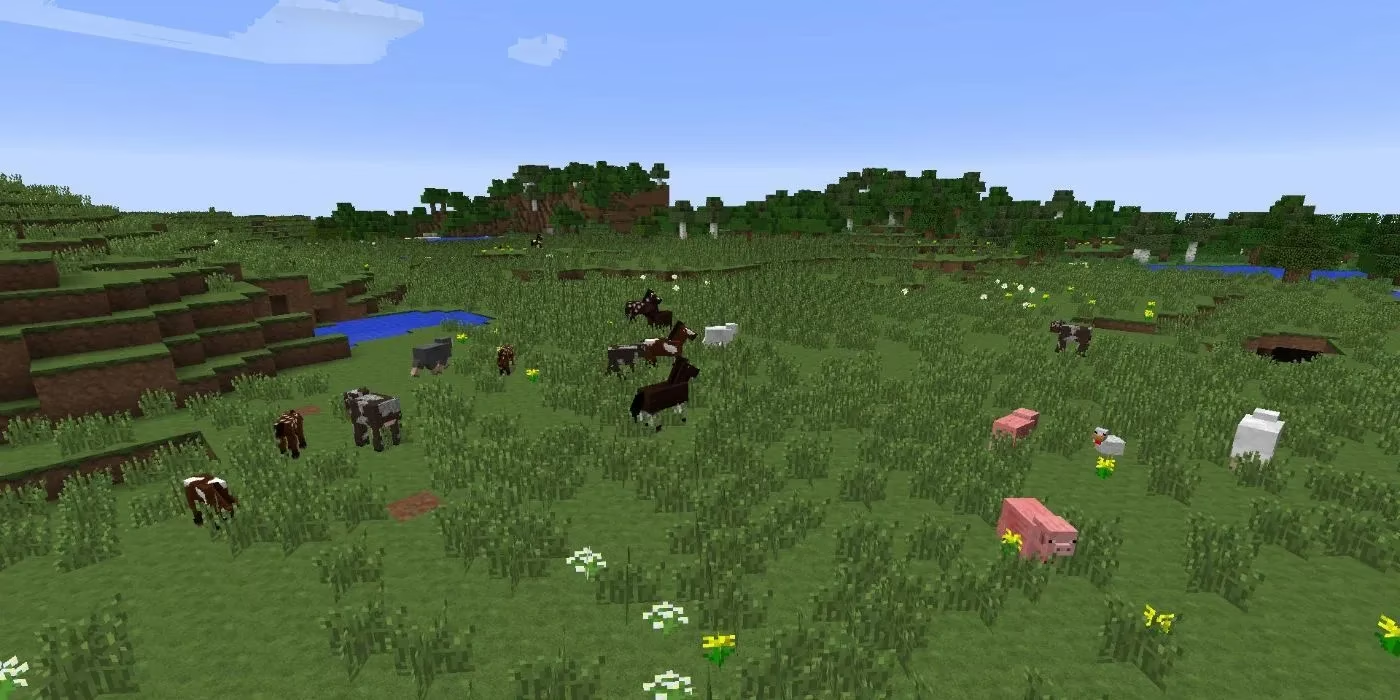
Plains is the friend who hands you a warm drink and says, “You’ve got this.” It was one of the earliest biomes, and it still feels like the game’s handshake. Food, trees, flat ground, water—everything a beginner needs. I usually dig a tiny hobbit hole, place a torch, and listen to the rain. Honestly, Plains is where I learned that “safe” doesn’t have to mean “boring.” Ravines, cave mouths, and lava springs are nearby surprises. Just keep the hostile mob count down with light. Trust me, a single creeper can rewrite your floor plan.
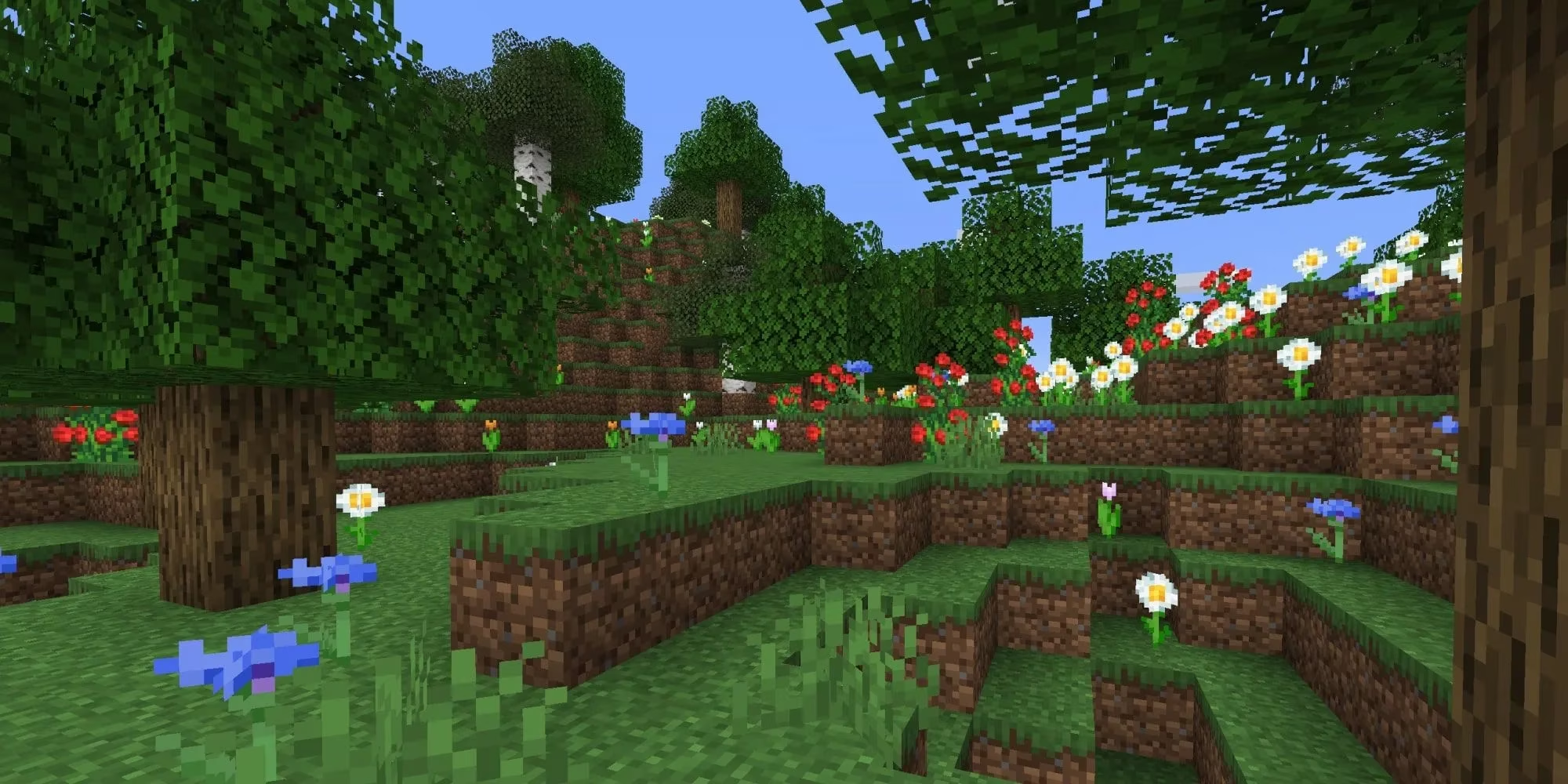
Then I wandered into a Flower Forest and stopped walking. The flowers—red, yellow, blue—spread across the grass like someone spilled a paint box. It is a Forest variant, but with fewer trees and open flat land, so daytime mobs are easier to manage. Dyes for days. No Blue Orchids, Wither Roses, or Sunflowers here, though. Finding one still feels like a lucky draw; the game basically taps you on the shoulder and whispers, “Lucky Minecrafter.”
Meadow is the high-altitude cousin who lives on a mountain and somehow always has snacks. Passive mobs, flowers, vegetation—resources are not the issue. The view is gorgeous. The cliff edges are not. I have fallen to my doom more times than I’d like to admit while admiring a sunset. Pillager Outposts and creepers, skeletons, and zombies also like the neighborhood. Build with care, and maybe don’t stand near the edge while thinking about dinner.
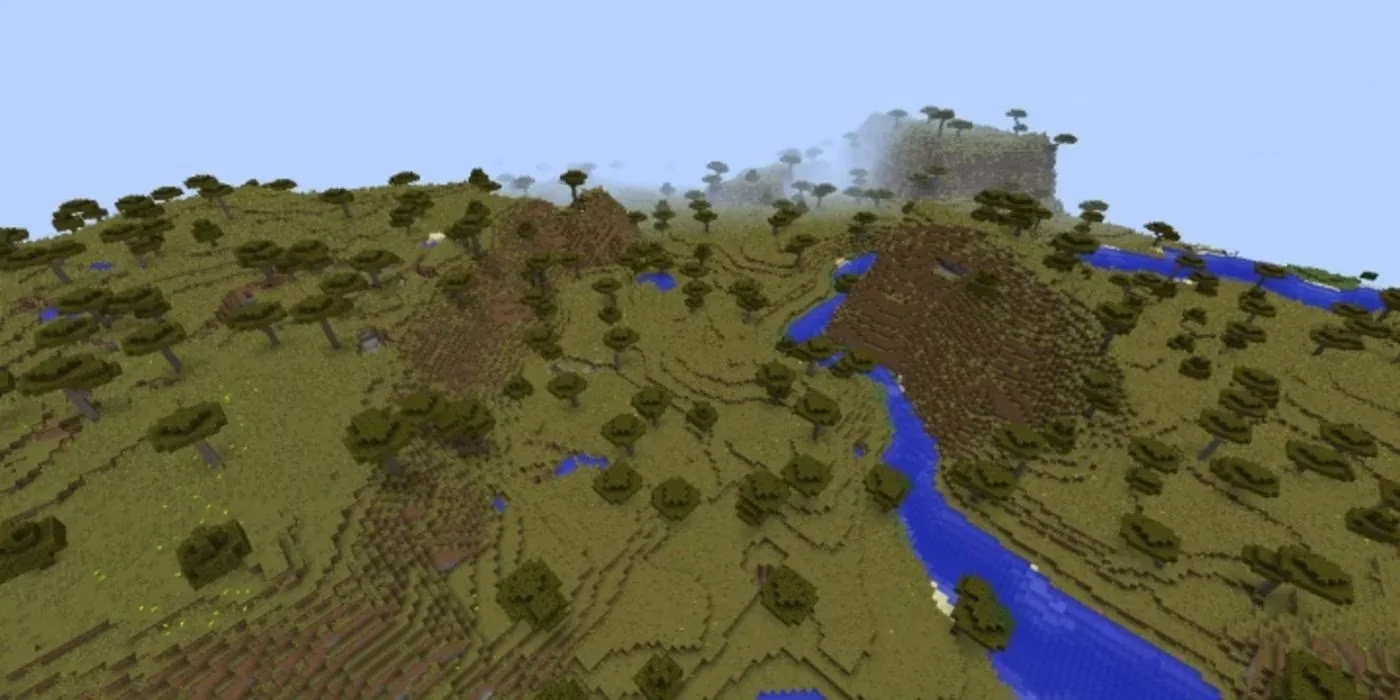
Savanna is wide open, dry, and full of acacia and oak trees. It never rains, which is a small mercy for anyone tired of thunderstorms. Horses and llamas spawn naturally here—the only biome where both show up. That open land is a builder’s dream. But Pillager Outposts are not rare, and those guys are deadly, especially when you’re new. I learned to scout first, build second.
Birch Forest feels like a clean, quiet studio apartment. Birch logs are some of the best textures in the game, and the forest isn’t as dense as Dark Forest, so daytime hostile spawns are reduced. Clear a few trees, and you have room for a starter base. The downside? No unique mobs, and chopping all that wood can get tedious. Still, aesthetically? Chef’s kiss.
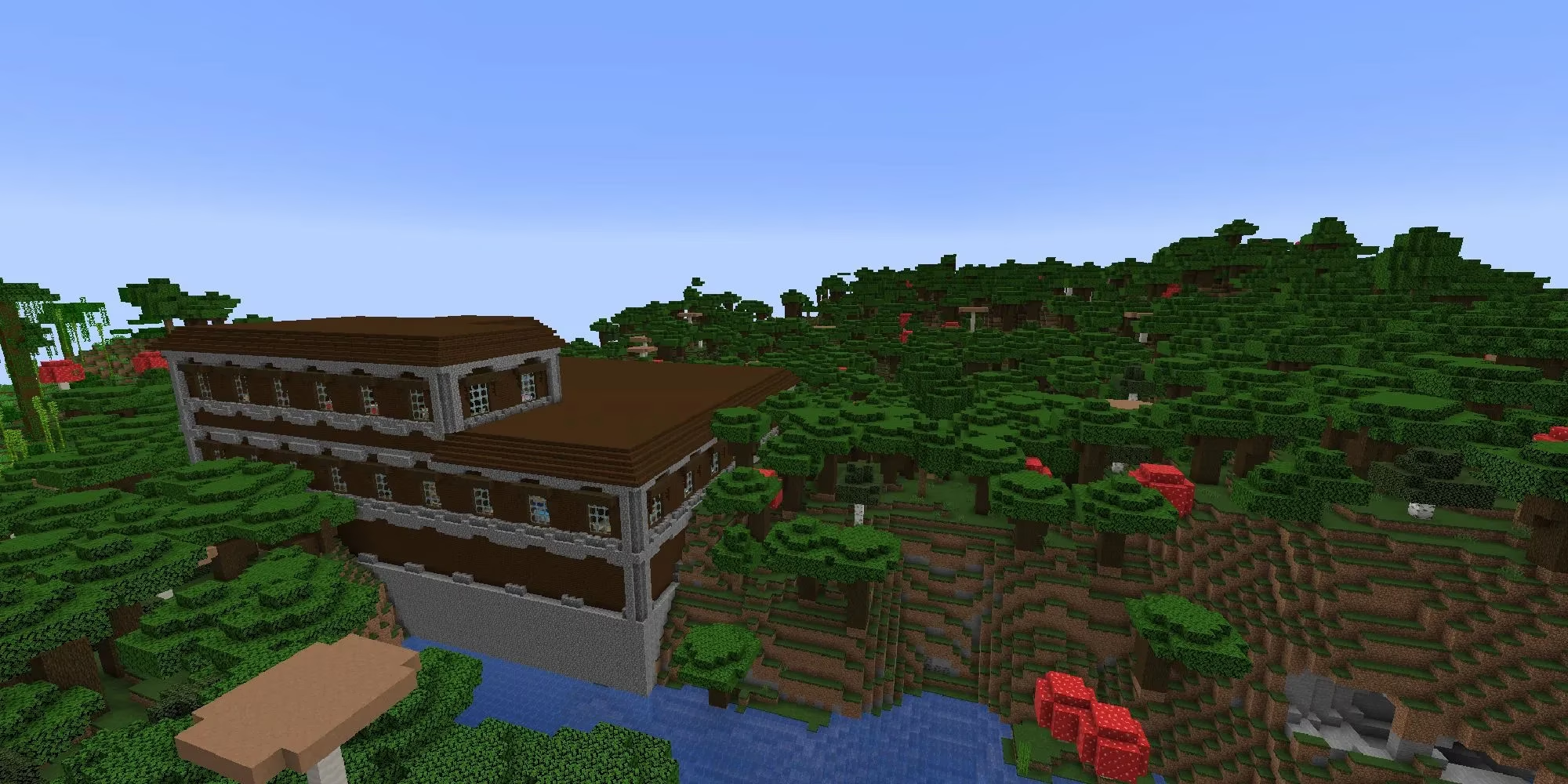
Dark Forest is the moody neighbor who keeps the curtains closed. Dense vegetation blocks sunlight, so hostile mobs can spawn even during the day. The trees form a maze. I got lost in one for an embarrassing amount of time. But wood is abundant, the canopy is flat enough for building, passive mobs are generous, and Woodland Mansions spawn here. It’s a risk-reward relationship.
Beach is the transition zone between land and ocean. Easy terrain, scenic views, nearby vegetation, and quick ocean access for food. Once you have a boat, exploration opens up. Mining through sand and gravel is annoying, though, and apart from turtles, passive mobs don’t spawn naturally. I still love a beach hut at sunrise.
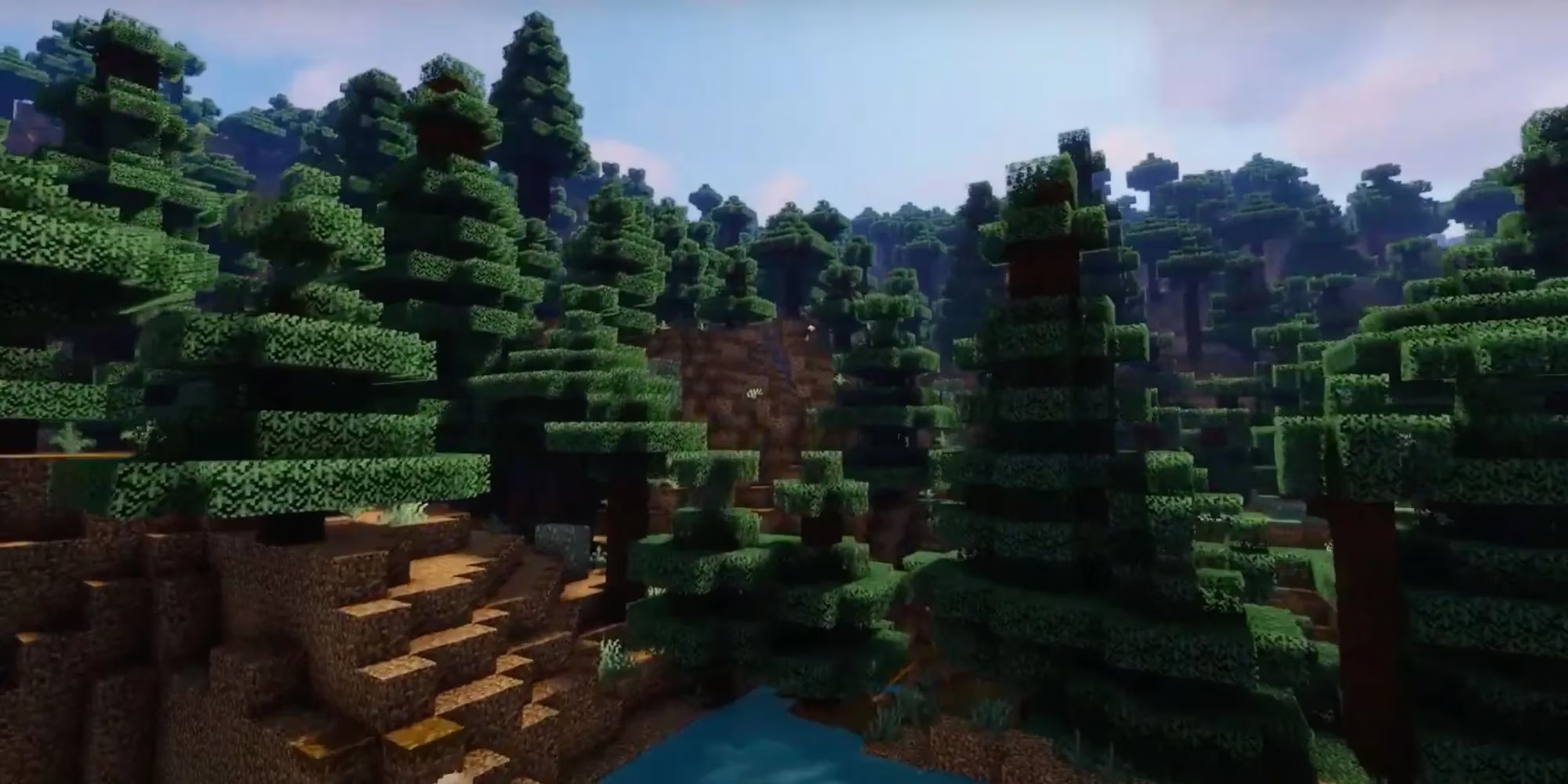
Taiga is spruce wood heaven. Passive mobs, easy terrain, abundant wood—it is one of the most effective early-game build locations. Chop a few trees, use that gorgeous spruce texture, and you have a cabin. But the thick forest cover can get you lost and acts as a hostile mob spawning zone. Keep a torch in your off-hand and a map in your head.
Badlands Plateau is a multicolored flat-top mountain made of terracotta. The view from a balcony here is worth the trip. Wood and water are scarce, but gold is abundant, and Mineshafts are likely. Patches of vegetation and grand rivers exist if you explore. Light everything early; hostile mobs will otherwise treat your base like a nightclub.
Mushroom Fields is the rare celebrity. Mycelium, giant mushrooms, Mooshroom cows, and mushroom trees provide food, hostile mobs rarely spawn, and the landscape is beautiful. But it’s isolated, often surrounded by deep ocean, and lacks wood—a core early-game material. It’s a wonderful home later, not always the best first base.
If I had to rank them for a first base in 2026, it would look like this:
| Rank | Biome | Why I’d settle | Watch out |
|---|---|---|---|
| 1 | Plains | Food, trees, flat land, water | Keep hostile mobs lit |
| 2 | Flower Forest | Flowers, open space, fewer trees | Rare spawn |
| 3 | Meadow | Passive mobs, flowers, views | Cliffs and Pillagers |
| 4 | Savanna | Open, dry, horses and llamas | Pillager Outposts |
| 5 | Birch Forest | Clean wood, manageable density | Tedious clearing |
| 6 | Beach | Ocean access, easy terrain | Sand/gravel mining |
| 7 | Taiga | Spruce wood, passive mobs | Thick forest |
| 8 | Dark Forest | Wood, canopy, Mansions | Daytime mobs, maze |
| 9 | Badlands Plateau | Gold, Mineshafts, views | Scarce wood/water |
| 10 | Mushroom Fields | Food, rare mobs, beauty | Isolation, no wood |
In the end, Minecraft biomes are not just code-generated terrain. They are hosts, each with a personality and a lesson. Plains taught me to breathe. Dark Forest taught me to carry torches. Mushroom Fields taught me that beauty can be lonely. And in 2026, with every new world I create, I still ask the same question: “Which biome will let me stay a while?” Then I punch a tree and find out.