
Okay, fam, let's talk about the cinematic landscape in 2026. It's been a wild ride since 2025, which was supposedly the year IP movies were gonna faceplant harder than a clumsy superhero. Remember all those think-pieces about the 'flop factor'? Well, the dust has settled, and we've got the receipts. Some movies soared, some... well, let's just say they had a 'skill issue'. The game has changed. It's not just about slapping a known name on a poster anymore. Audiences are smarter, more selective, and they can smell a cash-grab from a mile away. So, let's dive into the state of blockbuster IPs in 2026, looking back at the predictions and seeing what actually went down. Buckle up, it's gonna be a ride.
🟢 The Safe Bets That Actually Delivered
These were the movies everyone thought were a sure thing. And guess what? They mostly were. But the reasons might surprise you.
Avatar: Fire & Ash
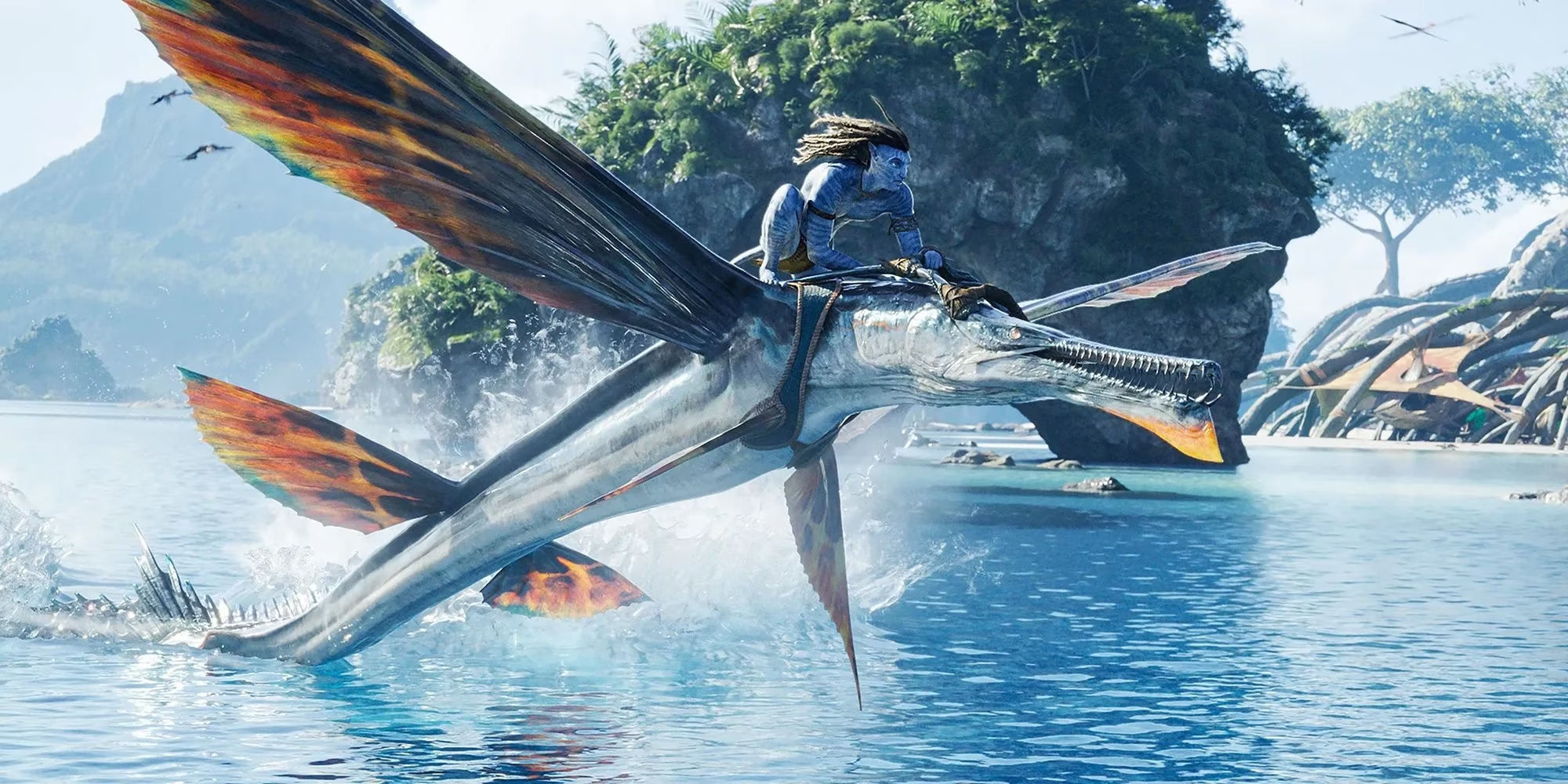
Everyone was like, 'Will the third time be the charm?' Spoiler alert: It absolutely was. While the 'no cultural impact' meme still gets thrown around, the box office numbers don't lie. James Cameron did it again, proving that when you offer a pure, visual spectacle that you literally cannot get anywhere else, people will show up. The key? It wasn't just a rehash. The underwater tech in the second film was mind-blowing, and for the third, they reportedly pioneered some new volumetric capture thing that made the floating mountains look even more insane. It was an experience, not just a movie. That's the secret sauce.
Mission: Impossible: The Final Reckoning
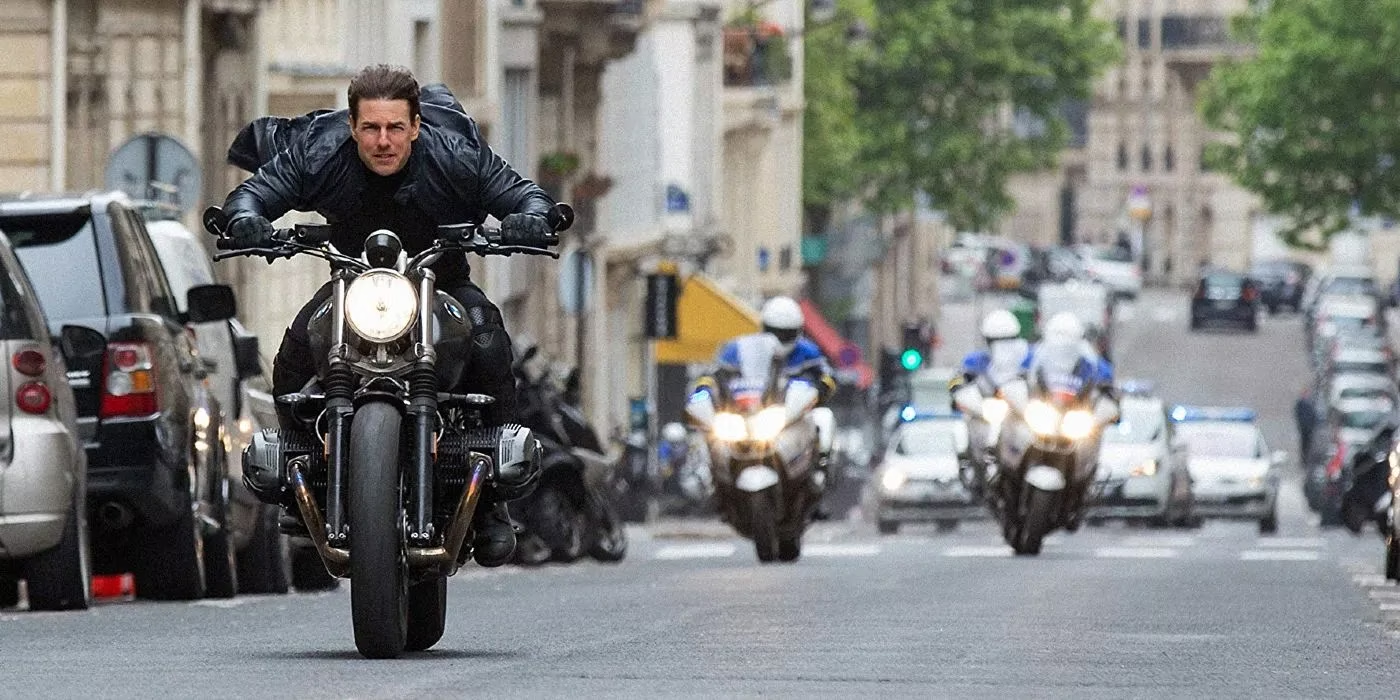
Tom Cruise vs. the laws of physics: the final chapter. After the previous film got caught in the Barbenheimer crossfire, there were doubts. But come on, it's Tom Cruise. The man reportedly learned to fly a fighter jet for real for this movie. The marketing was just clips of him doing increasingly deranged stunts, and it worked. It proved that in an age of CGI overload, a genuine, death-defying practical stunt is the ultimate IP. People went to see Tom Cruise, not just Ethan Hunt. This wasn't just safe; it was a triumphant victory lap for practical action.
🟡 The 'Probably Okay' Tier: Hits and Misses
This was the most interesting bracket. These movies had potential but also some serious baggage. The results were... mixed.
Superman
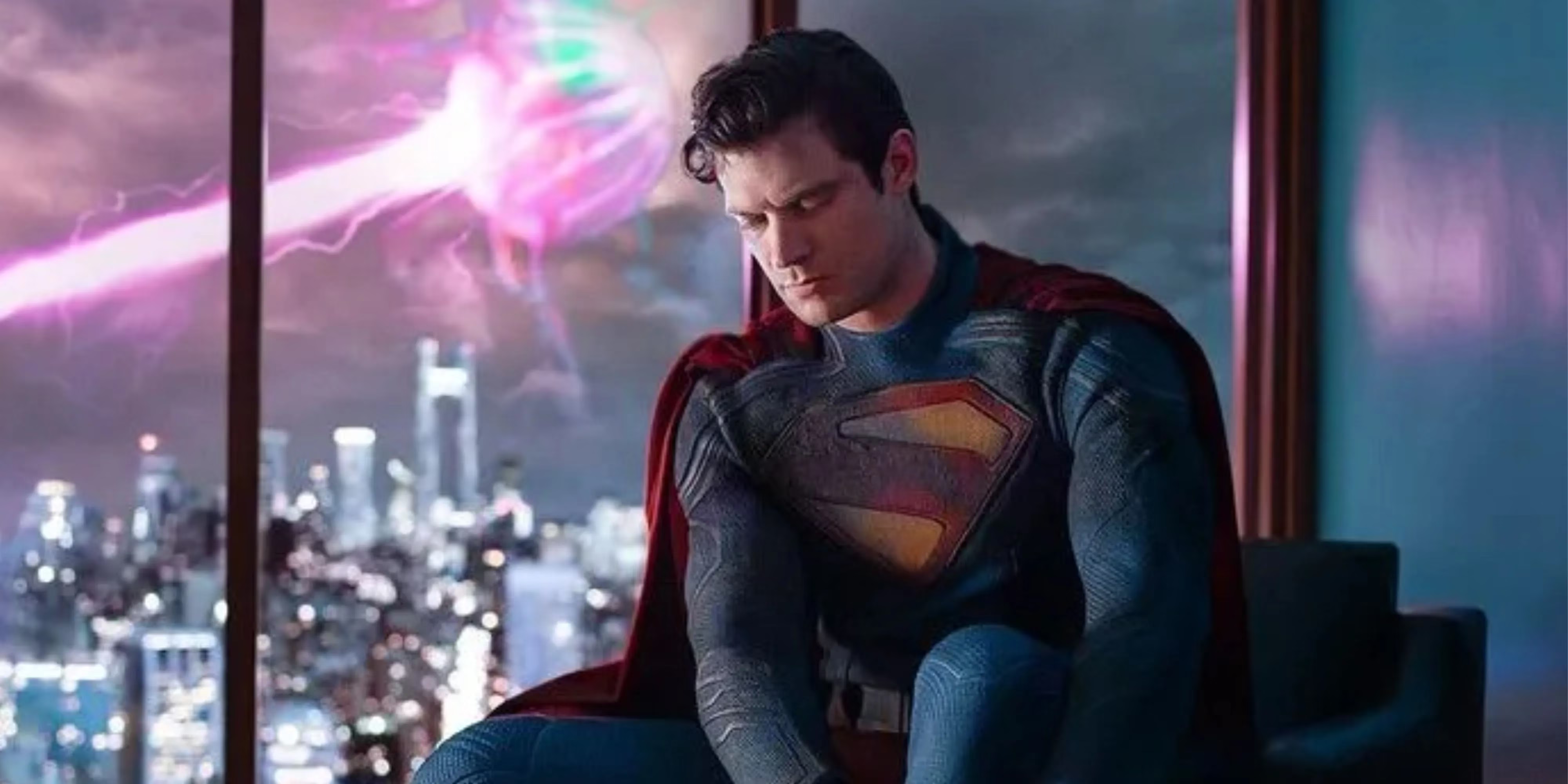
James Gunn's Superman dropped, and the internet held its breath. Was it okay? It was better than okay. It was actually... hopeful? Wholesome? A Superman movie that made you believe a guy could fly and be a decent person? Wild concept, I know. Gunn's signature humor and heart were there, but it wasn't a Guardians rehash. It successfully rebooted the DCU with a clear vision. The real test is still coming with the cinematic universe stuff, but for now, the Big Blue Boy Scout is back, baby. A solid win that avoided the 'cringe' trap.
Ballerina
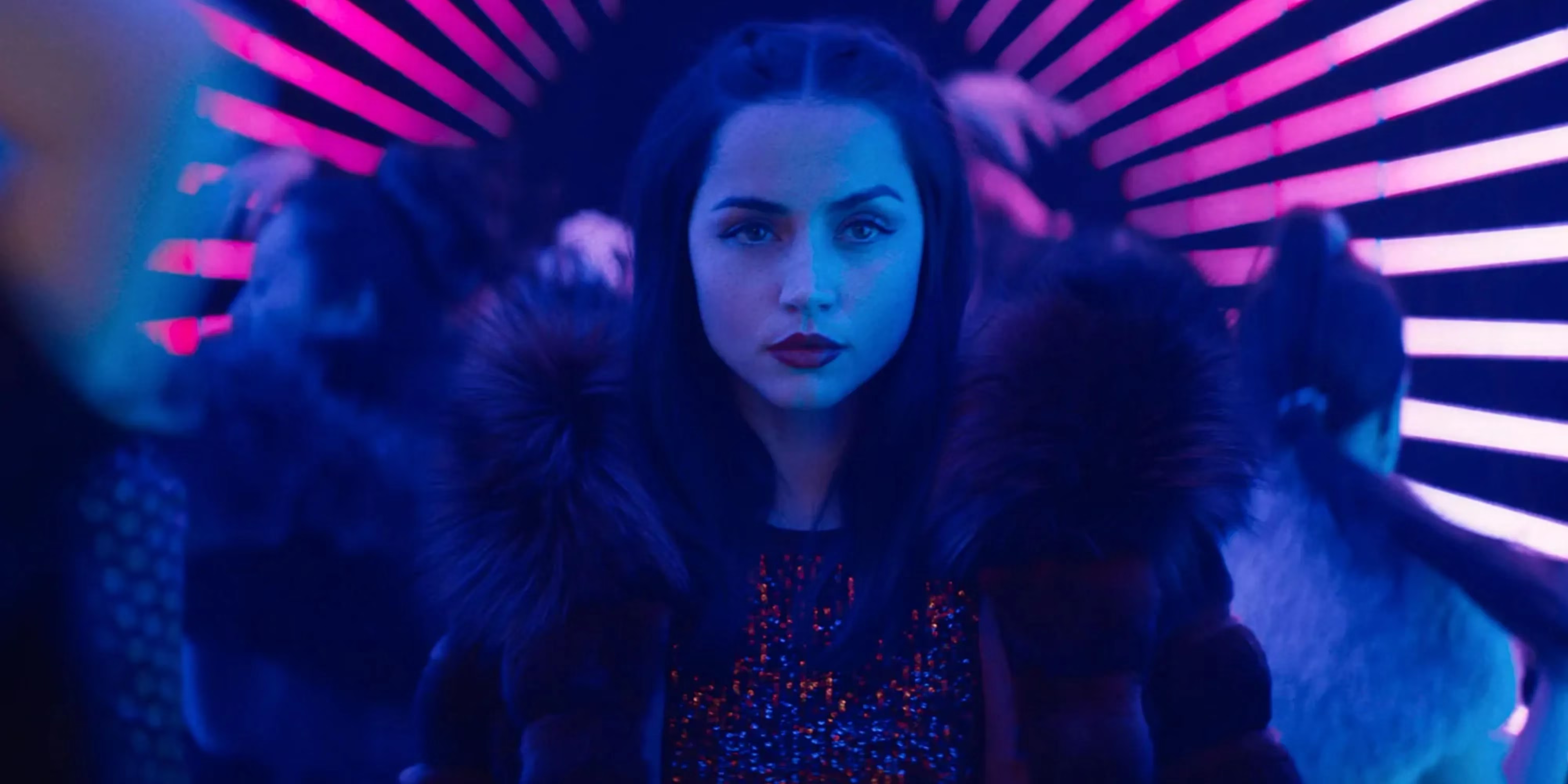
This one hurt. We were all rooting for Ana de Armas. Her Paloma in No Time to Die was a scene-stealing icon. But the curse of the female-led action spin-off struck again. The marketing was confusing—was it a gritty revenge tale or a stylish ballet-themed romp? The movie, trapped in John Wick's shadow, couldn't decide either. It had cool moments, but it lacked the focused, world-building simplicity of the first Wick. A classic case of a studio not knowing how to handle a cool character outside of her original context. A noble effort, but ultimately a box office oof.
Minecraft
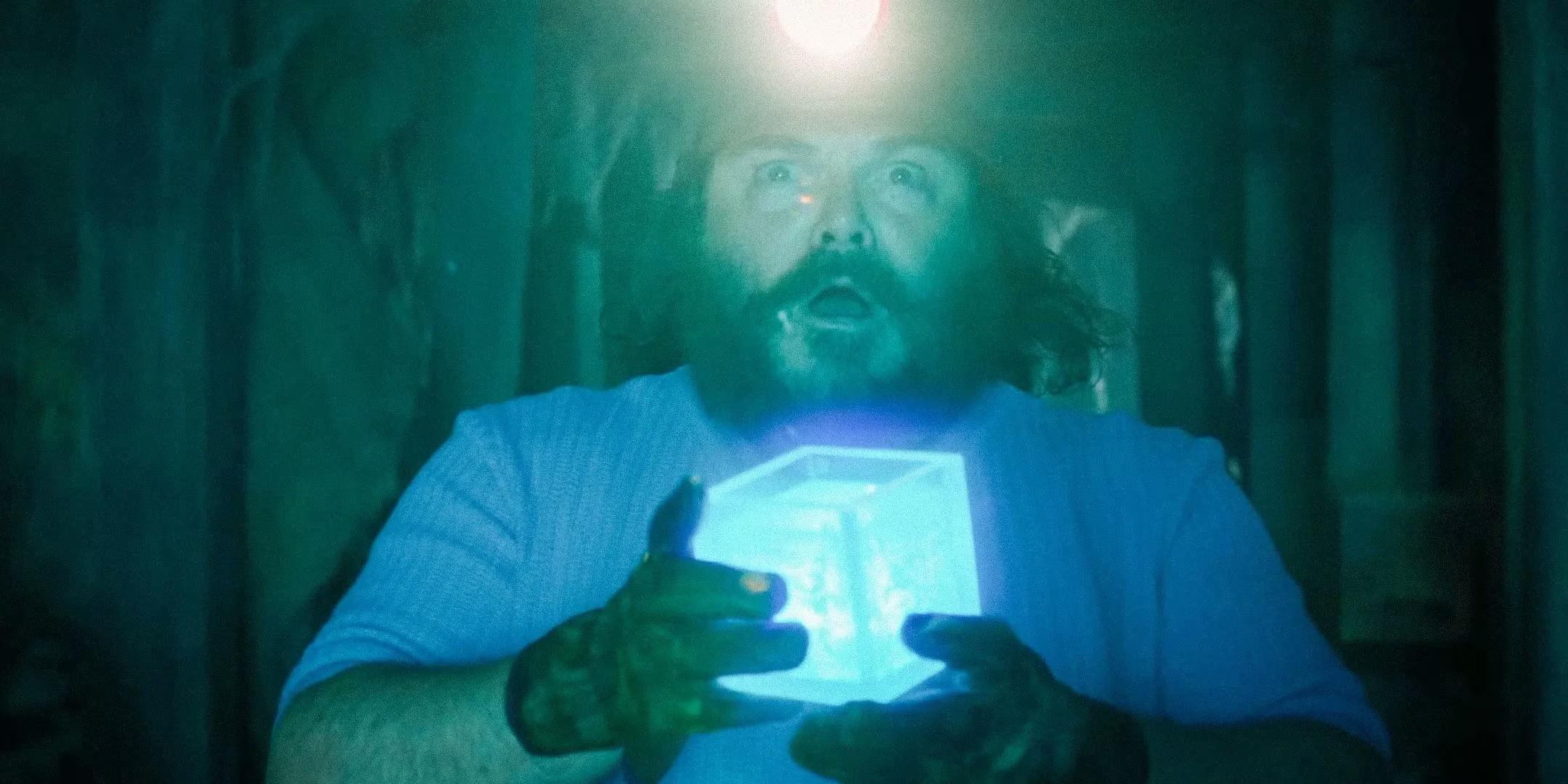
Prediction: 'This will be terrible and every child on Earth will still want to see it.' Reality? Accurate. The movie was, by critical standards, a hot mess of plot. But guess what? The kids (and a lot of nostalgic adults) loved it. The visuals were a perfect translation of the game's aesthetic, and the isekai premise was simple enough. It wasn't high art; it was a vibe. It made a gazillion dollars in merch and solidified that some IPs are just critic-proof. Sometimes, it's not about the story, it's about the feeling of being in that world.
🔴 The 'Yikes' Zone: When IP Fatigue is Real
These were the movies that had us getting nervous, and for good reason. Some crashed and burned spectacularly.
Captain America: Brave New World
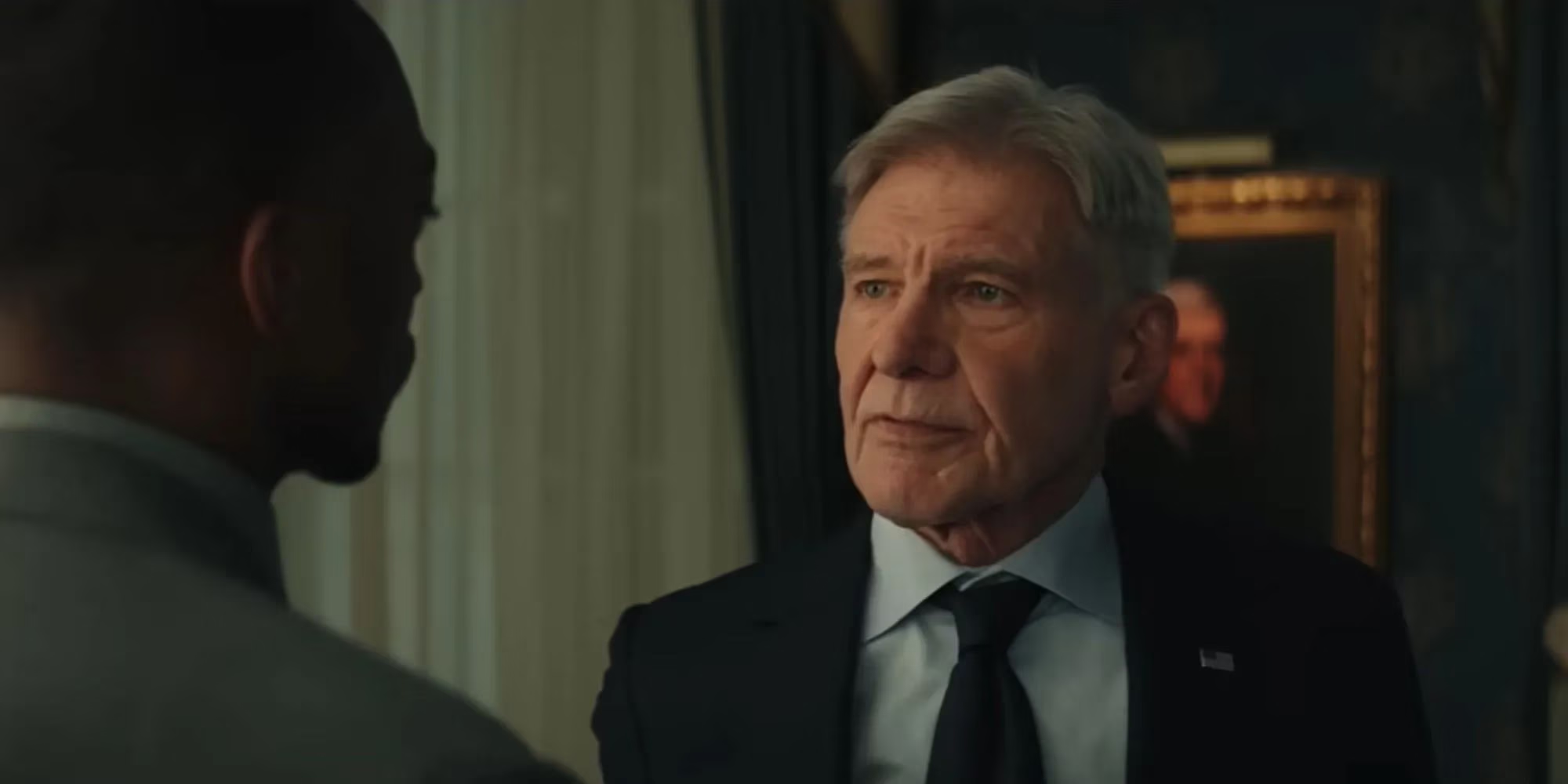
The red warning lights were flashing, and boy, did this movie trip the alarm. The endless reshoots, the messy script rewrites around the Sabra character, the general sense of MCU directionlessness post-Endgame... it all culminated in a film that felt like a committee-made product. It wasn't offensively bad, it was just bland. And for a $400 million budget, bland is a death sentence. It performed okay financially based on brand loyalty alone, but the cultural conversation was nonexistent. It was the movie that proved the MCU's 'Safe Mode' isn't safe anymore. A true 'go touch grass' moment for Marvel execs.
Snow White
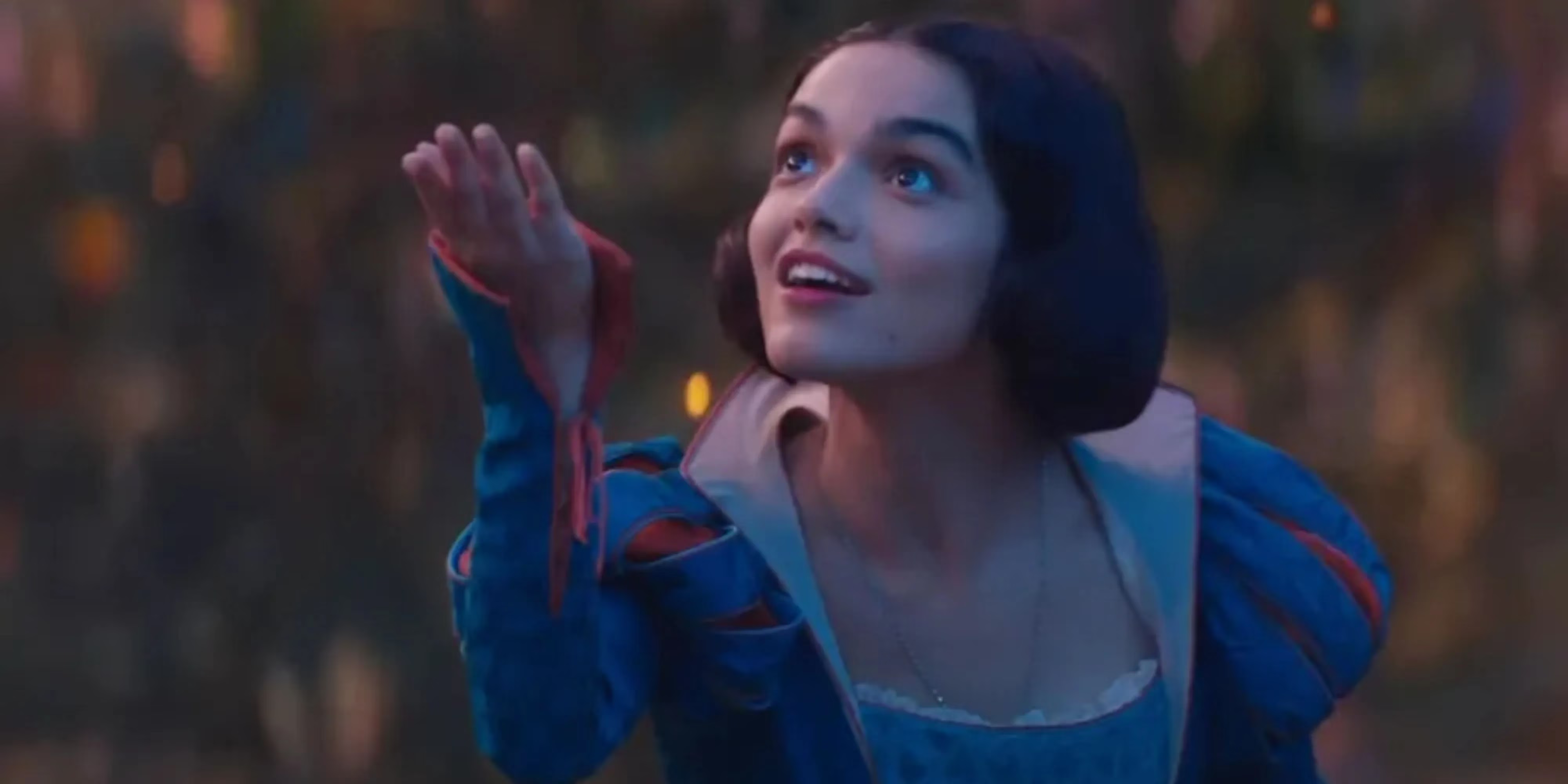
This was a perfect storm of 'how did this get made?'. The controversy around the leads, the delays, the over-saturated visuals... it was a PR nightmare before it even hit screens. The final product tried to please everyone and pleased no one. It wasn't a faithful remake, nor was it a bold reimagining. It was a confused, CGI-heavy mess that somehow made singing to animals feel uncanny. This wasn't just a flop; it felt like the final nail in the coffin for Disney's lazy live-action remake pipeline. Audiences sent a clear message: We're so over this.
The Electric State
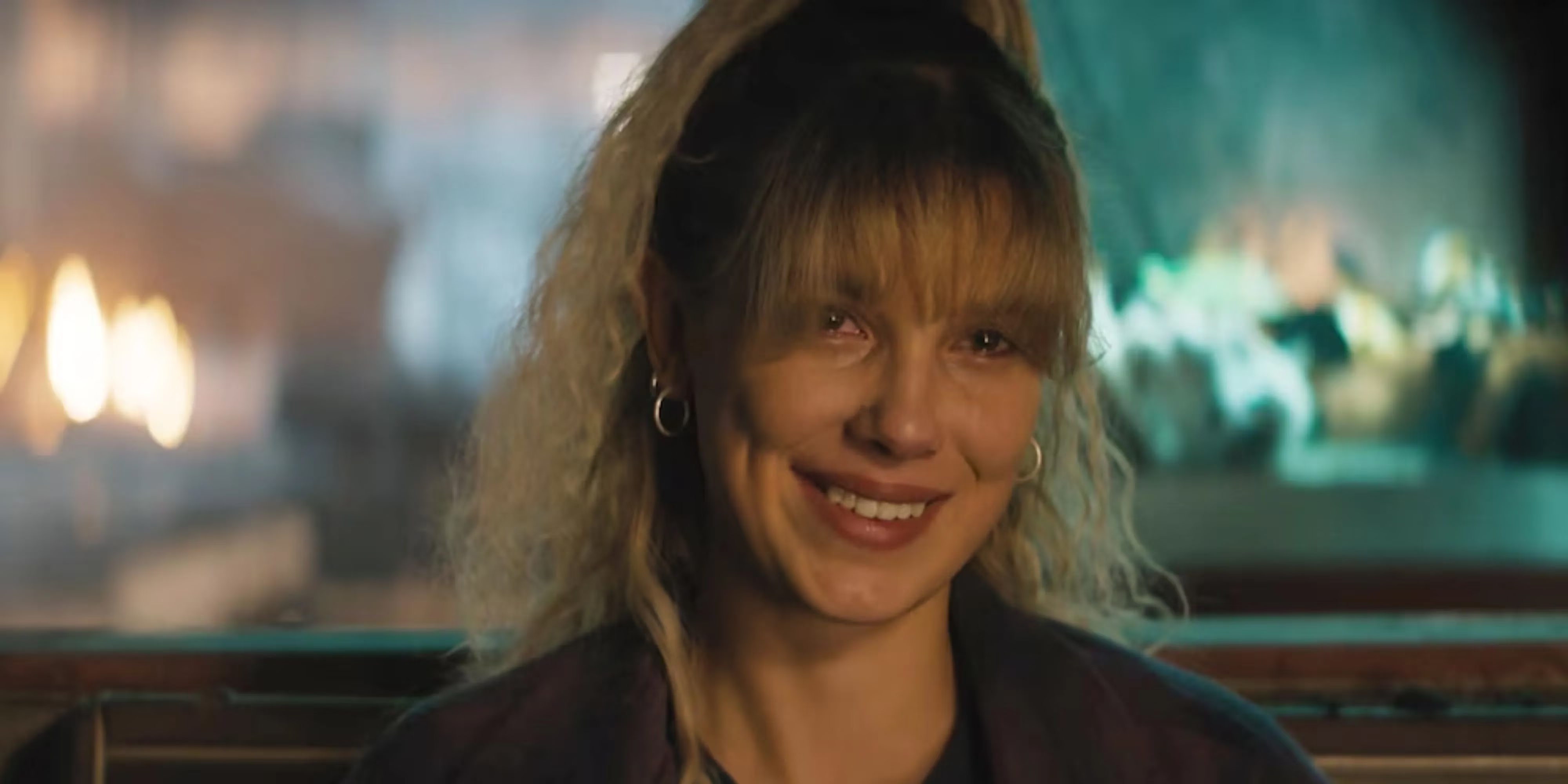
The prophecy was true: expensive Netflix movie from the Russo Bros. = visually busy, emotionally empty. It dropped on the streamer with a huge marketing push, trended for a day because of the cast, and was forgotten by the weekend. It's the ultimate example of the 'streaming flop'—a huge budget with no cultural staying power. In 2026, where every streamer is cutting costs, this movie is now a case study in what not to do. All the money, none of the soul.
🎲 The Wild Cards: Surprises of 2026
Some movies defied all categorization and predictions.
28 Years Later
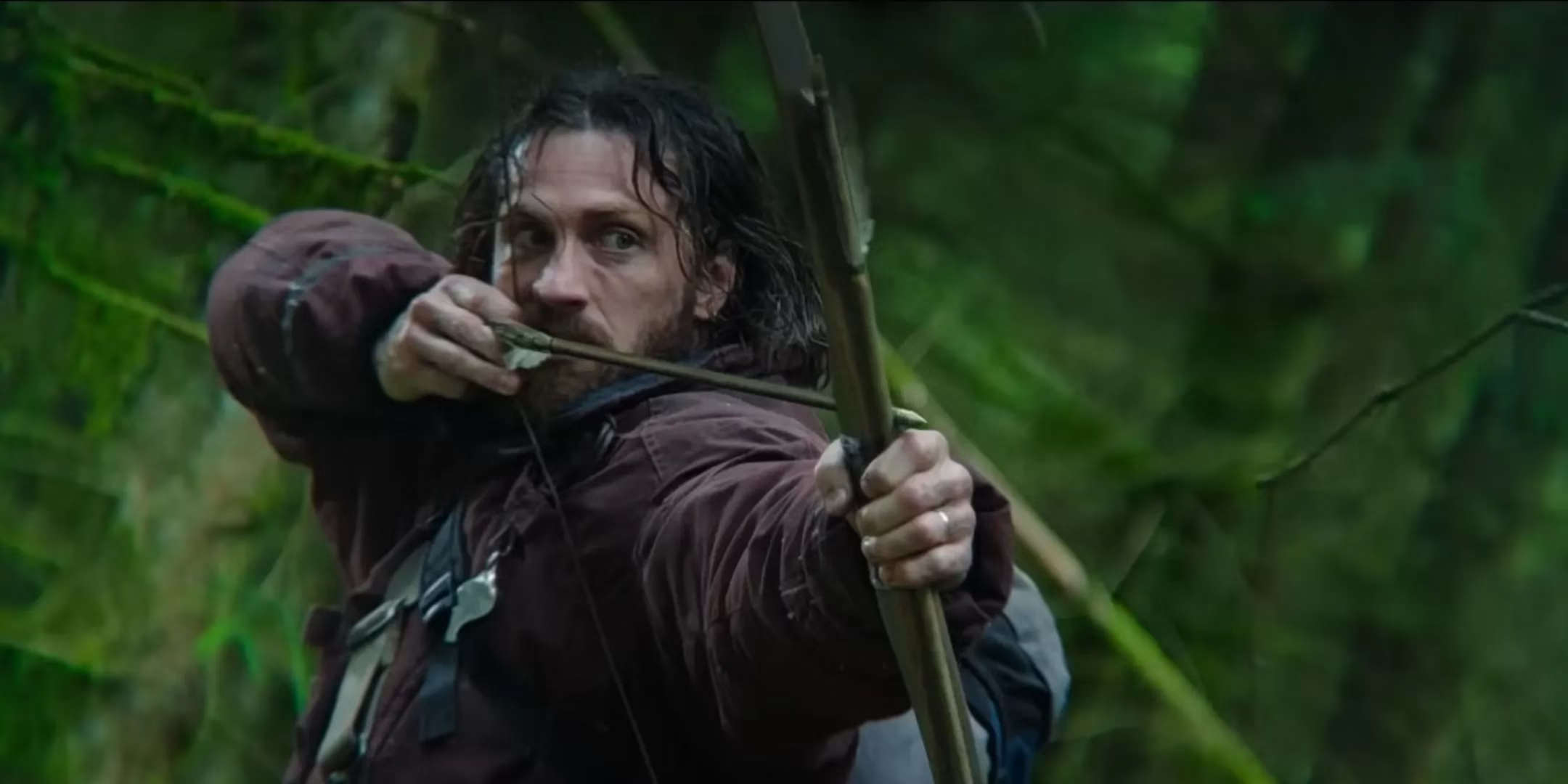
Danny Boyle came back and said, 'You think this is just IP? Hold my artistic integrity.' He delivered a sequel that was less about zombies and more about the societal collapse decades after the outbreak. It was bleak, smart, and felt like a Proper Film. It respected the IP's roots while growing beyond them. Proof that a great director can elevate any franchise material if given the chance. A critical darling and a respectable box office success.
The Fantastic Four
The perpetual cursed franchise... finally stuck the landing? Against all odds, Marvel took its time, cast it perfectly, and let them be a weird, sci-fi family instead of trying to make them cool Avengers. The tone was a throwback to Kirby/Lee era optimism and bizarre science. It wasn't the biggest hit of the year, but it was the first F4 movie that fans didn't want to pretend didn't exist. Sometimes, the key to a problematic IP is just to lean into what makes it unique, not force it into a mold.
The Bottom Line for 2026 and Beyond
So, what's the tea? The 2025-2026 cycle taught us a few hard truths:
-
Spectacle Sells, But Only If It's Unique: Your CGI fest needs a 'wow' factor we can't get on our phones (Avatar, Mission: Impossible).
-
Nostalgia Isn't Enough: You can't just reboot something (Snow White). You need a fresh, compelling reason for it to exist.
-
Audiences Can Smell a Phony: If the marketing feels desperate or the production is troubled (Captain America 4), people will wait for streaming.
-
The Director's Vision Matters: A strong auteur can save an IP (28 Years Later), while a committee can sink it.
-
Know Your Audience: Minecraft knew its audience was kids who love the game, not critics. It played directly to them and won.
The era of the guaranteed IP hit is so over. In 2026, it's all about execution, vision, and giving people a reason to leave their couch. The movies that succeeded did so by being authentic to their core idea, not just by having a famous name. The ones that failed? They were just content. And as we all know, in 2026, we are so not here for just 'content'.
What's next? Who knows. But one thing's for sure: the game is on, and the studios that learn these lessons will survive. The others? Well, it's not looking good, bestie. 🍿✨